

In the realm of pet ownership, the inaugural diagnostic visit holds significant importance. This article aims to equip pet owners with essential knowledge, guiding them through the intricacies of this initial encounter with a veterinarian.
By understanding the purpose of the visit, preparing their pet adequately Starlight, and being informed about what to expect, owners can navigate this critical milestone with confidence.
Stay tuned for expert advice on maximizing the value of your first pet diagnostic visit.
Understanding the Purpose of the Visit
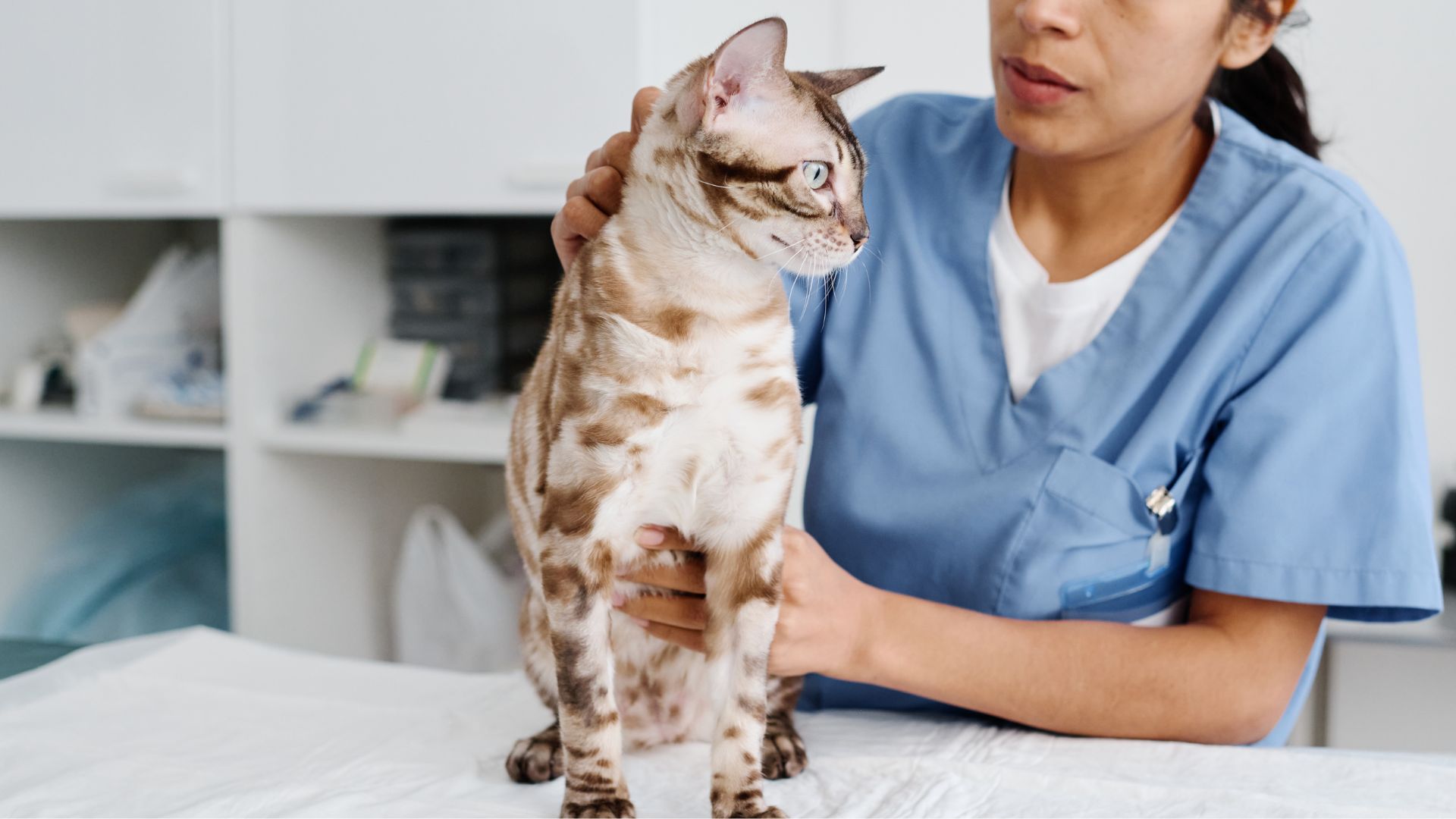
During your first pet diagnostic visit, the primary purpose is to identify and address any health concerns or conditions affecting your pet’s well-being pet medical centre. This initial examination serves as a crucial step in understanding your pet’s overall health status, allowing the veterinarian to recommend appropriate treatments or interventions if necessary. Through a series of comprehensive assessments, including physical examinations, lab tests, and discussions about your pet’s lifestyle and habits, the vet aims to create a tailored healthcare plan for your furry companion.
Preparing Your Pet for the Appointment
The preparation for your pet’s diagnostic visit is a crucial step in ensuring a smooth and effective examination process. To prepare your pet for the appointment, make sure they are clean and groomed, as this can help the veterinarian conduct a thorough examination.
Additionally, bring any relevant medical records, such as vaccination history or previous medical issues, to provide a comprehensive overview of your pet’s health. It’s also essential to ensure your pet is comfortable with the carrier or leash you plan to use for transportation to the veterinary clinic.
Lastly, try to keep your pet calm and relaxed before the appointment to reduce stress and anxiety during the visit. Proper preparation can contribute to a more successful diagnostic evaluation.
Gathering Important Health History Details
To ensure a comprehensive understanding of your pet’s health status, gathering specific health history details is essential before the diagnostic visit. Provide information on your pet’s previous illnesses, surgeries, vaccinations, and medications. Note any recent changes in behavior, appetite, or activity levels. Document any known allergies or sensitivities.
Be ready to discuss your pet’s diet, exercise routine, and living environment. Additionally, inform the veterinarian about any exposure to toxins, pests, or other animals. Remember to bring along any medical records or documentation to aid in the assessment.

Knowing What to Expect During the Visit
Upon arrival at the veterinary clinic, pet owners can expect a thorough physical examination of their furry companion. The veterinarian will assess your pet’s overall health, checking vital signs, eyes, ears, teeth, skin, coat, and body condition. Be prepared for your pet to be weighed and possibly have their temperature taken.
The vet may also ask for a urine or stool sample for testing. Depending on your pet’s symptoms, additional diagnostic tests such as blood work, x-rays, or ultrasounds may be recommended. Throughout the visit, feel free to ask questions and discuss any concerns you have about your pet’s health.
Questions to Ask the Veterinarian
Inquire about the recommended treatment plan for your pet’s condition. During your pet’s diagnostic visit, it’s essential to ask the veterinarian about the proposed treatment plan. Be sure to inquire about the medications, therapies, or procedures that will be involved in addressing your pet’s health issue.
Additionally, ask about the expected duration of the treatment, potential side effects, and any at-home care that may be required. Understanding the recommended treatment plan will help you provide the best care for your pet and ensure their recovery.
Don’t hesitate to seek clarification on any aspect of the treatment plan to ensure you are well-informed and equipped to support your pet’s health journey.
Conclusion
In conclusion, the first pet diagnostic visit is crucial for understanding your pet’s health and addressing any concerns. By preparing your pet, gathering health history details, and knowing what to expect during the visit, you can ensure a successful appointment. Asking the veterinarian relevant questions will also help in providing the best care for your pet.
It is important to be proactive in your pet’s healthcare to ensure their well-being.